
Your website is often the first impression people have of your business — but just like any technology, it doesn’t last forever. In today’s fast-changing digital landscape, even the best-designed websites need regular updates or complete redesigns to stay secure, functional, and competitive.
The Average Lifespan of a Website
The typical lifespan of a website is between 2 to 3 years before it starts to show signs of aging. Design trends change, coding standards evolve, and user expectations grow more demanding each year.
Think about it this way — three years ago, websites weren’t optimized for voice search, AI-assisted browsing, or Core Web Vitals (Google’s performance metrics). Now, those factors play a major role in how your site ranks and how users experience it.
A website built even a few years ago may still “work,” but it might not perform — and in today’s digital marketplace, performance is everything.
Google now flags non-secure sites (without SSL certificates) as “Not Secure.” A redesign or maintenance update ensures your site uses HTTPS, strong encryption, and malware protection — giving both users and search engines confidence in your brand.</br>
⚙️ Performance and Core Web Vitals
Google’s Core Web Vitals (loading speed, interactivity, visual stability) now directly affect SEO rankings. Redesigns can fix bloated code, optimize images, and improve user experience metrics that determine search performance.
Regular maintenance and updates keep your content management system (like WordPress), plugins, and hosting environment protected with the latest patches and firewalls.
3️⃣ User Expectations Change
Today’s users expect speed, simplicity, and mobile-first design. A site that takes more than three seconds to load loses over 50% of visitors. If your design feels cluttered or outdated, potential customers are less likely to trust your brand.
4️⃣ Search Engine Algorithms Update Frequently
Google updates its ranking algorithms multiple times a year. Older sites often lack structured data, mobile optimization, or schema markup — all essential for maintaining SEO performance. Without regular optimization, your rankings and traffic slowly decline.
Signs Your Website Needs an Update or Redesign
You might not need a full rebuild — but here are the key indicators it’s time to act:
If you’ve noticed two or more of these signs, it’s time to refresh or rebuild.
How Technology Drives the Need for Website Renewal
🖥️ New Browsing Standards
Browsers like Chrome, Safari, and Edge continually upgrade to improve speed, security, and privacy. Older sites built on outdated HTML, CSS, or JavaScript frameworks can break or display inconsistently on these newer platforms.
🔒 Security Updates and SSL Compliance
Google now flags non-secure sites (without SSL certificates) as “Not Secure.” A redesign or maintenance update ensures your site uses HTTPS, strong encryption, and malware protection — giving both users and search engines confidence in your brand.
⚙️ Performance and Core Web Vitals
Google’s Core Web Vitals (loading speed, interactivity, visual stability) now directly affect SEO rankings. Redesigns can fix bloated code, optimize images, and improve user experience metrics that determine search performance.
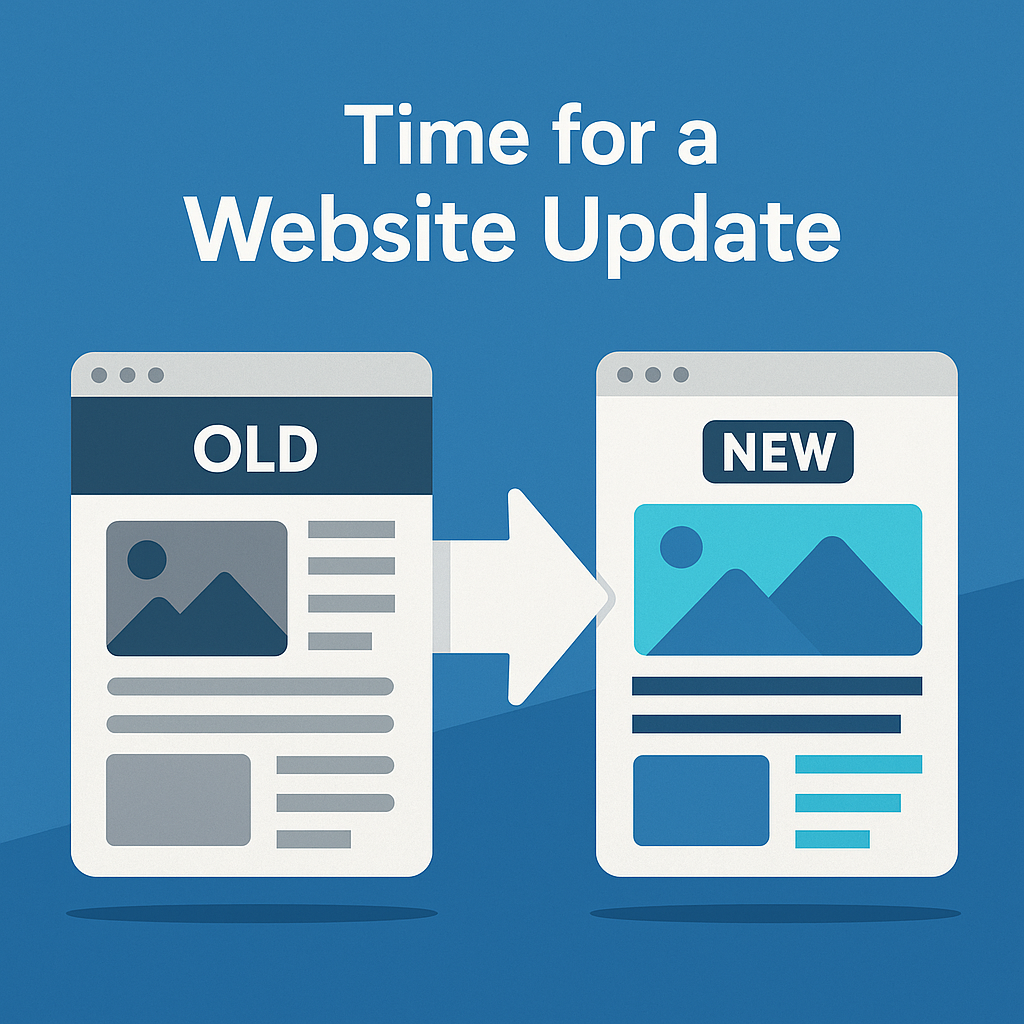
The Benefits of Updating or Replacing Your Website
Maintenance: The Key to Extending Your Website’s Life
Routine website maintenance can extend your site’s lifespan far beyond three years. Think of it like servicing your car — regular checkups prevent costly breakdowns.
A professional maintenance program typically includes:
At WQC Design Studio, our Website Maintenance Program ensures your site remains secure, up-to-date, and performing at peak efficiency — protecting your investment while supporting your growth.
When It’s Time for a Complete Redesign
If your website is over four years old or built on outdated technology, a full redesign is the best long-term strategy. This allows you to:
Our team blends design, development, and SEO expertise to create modern, high-performing websites that drive results — from first click to final conversion.
Final Thoughts
Your website isn’t meant to last forever — but with consistent care, updates, and the right strategy, it can remain your most valuable marketing asset for years.
Technology evolves, customer habits change, and the web never stands still. Staying proactive with updates or investing in a redesign ensures your business stays ahead of both trends and competitors.
If your website hasn’t been updated in over two years, now is the time to act.
Let WQC Design Studio help you keep your digital presence fresh, secure, and built for the future.
No WhatsApp Number Found!
WhatsApp us